Giving Nature a Helping Hand: Encouraging Wildlife in Your Garden

Having recently celebrated world wildlife day, and steadily heading into the Spring season where wildlife springs into life; now more than ever people are aware of the need to look after the environment and the wildlife that inhabit it.
You don’t have to venture far to give nature a helping hand, and there is plenty you can do from the comfort of your own garden!
Here are our top tips on how you can help wildlife flourish in your area:
Plant more flowers
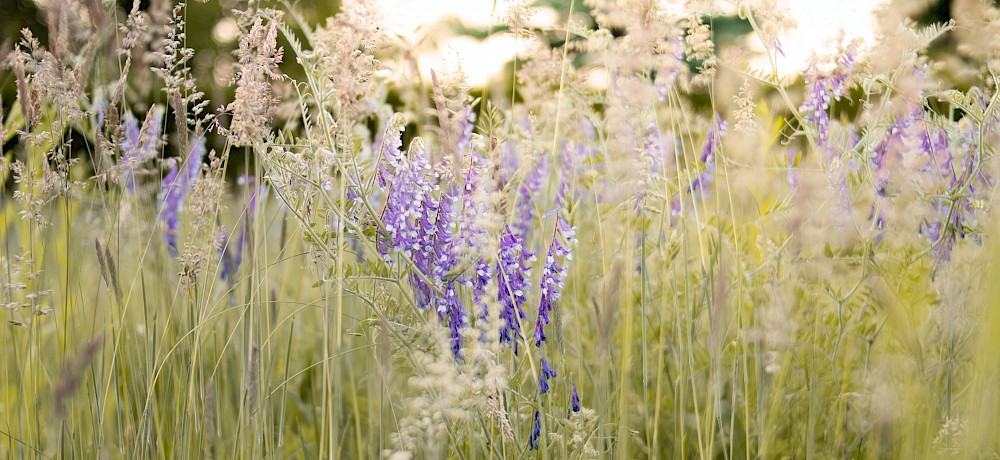
Bees are incredibly important to our ecosystem, so planting more flowers for them to collect nectar from is incredibly beneficial to both the bees and all the other flowers they’ll help to pollinate.
Allowing wildflowers to flourish can offer a bounty of nectar-rich plants for bees and other pollinating insects too.
If you’re finding it difficult to get down to the flower beds, why not try a handful of potted flowers? They can make all the difference.
Avoid using pesticides
Insects are vital to a healthy ecosystem and their numbers have been steadily on the decline for a number of years.
Even things such as what kind of fence paint you use can have a massive impact on the local insect population. Before you buy a product to spruce up your garden, have a good look at the product label – it should tell you whether it could be harmful to plants, pets or wildlife.
With that in mind, if you’re tackling weeds, try using a homemade alternative to the harsher weed killers you might find at your garden centre. A good mix of vinegar, salt (not too much), dish soap and hot water might just do the trick.
Rewild your garden
While some will no doubt be very particular about keeping their garden in tip-top condition, we’d like to think there’s just as much satisfaction to be had from knowing you’re helping the animals that inhabit your garden to make a productive home!
A popular trend in recent years is the concept of “rewilding” - letting a part (or all) of your garden grow unfettered. This can be as simple as letting a strip of your lawn grow freely.
This can be especially helpful if your garden is host to local wildlife such as hedgehogs. The same goes for leaf raking, where fallen leaves make a perfect habitat for small animals and insects alike.
Feed (and house!) the birds
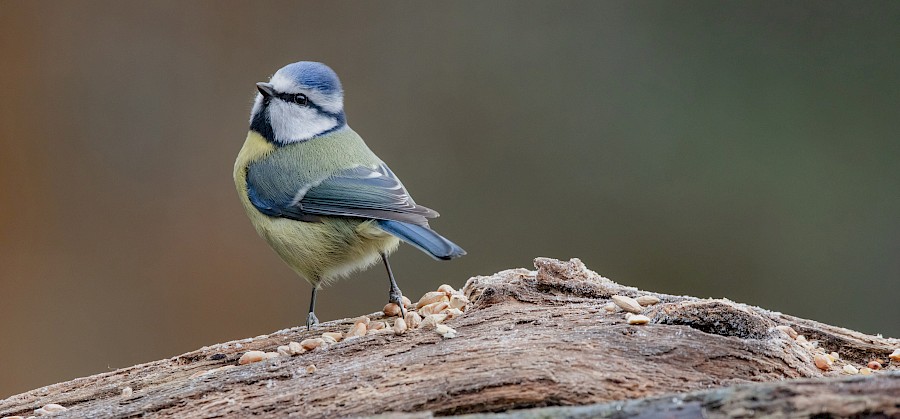
Adding a well-stocked bird feeder or table can attract a wide variety of birds to your garden allowing you to indulge in a spot of bird-spotting whilst supporting our native bird population.
You can even try stringing together some nuts and hanging them in your garden to get started.
If you want to go a step further, there are a range of bird boxes for sale, in a range of sizes to suit different types of birds.
Having a bird box installed at a good height of at least 2m off the ground (perhaps attached to a tree) will provide a safe home for birds to raise their young throughout the Spring season. I don’t think anyone can deny the satisfaction of knowing you’ve helped a new flock of young birds grow and eventually fledge the nest. Some take this a step further and use the joys of modern technology to install a digital camera into their bird box!
Open a bug hotel
Cultivating a home for bugs may seem counterintuitive, but a lot of species are natural predators to more pesky insects such as aphids and greenflies.
Building a bug hotel is as simple as building a wood pile, the dark narrow spaces in between being the perfect habitat for pollinating insects to live in. This is a great project to get children involved in as well as they can discover all kinds of creepy crawlies.
What can you do?
You don't have to go far out of your way in order to support the environment and your local wildlife. For all kinds of garden environments there are options to help your local wildlife to flourish.
If you find you have trouble getting out in the garden nowadays and want to make a difference, don’t hesitate to talk to your carer, a family member or get the grandchildren involved. Helping our local wildlife in small and simple ways is something we can all get behind!
This article was last updated on March 23rd 2022 by CareYourWay Team

- 01548 721930
- enquiries@careyourway.co.uk
Registered Office:
CareYourWay
Little Spires
Totnes
Devon
TQ9 7QE
National Office
Main Links
Our Care Services
Work with UsWe're hiring!